


Applications



Petrochemicals and refineries
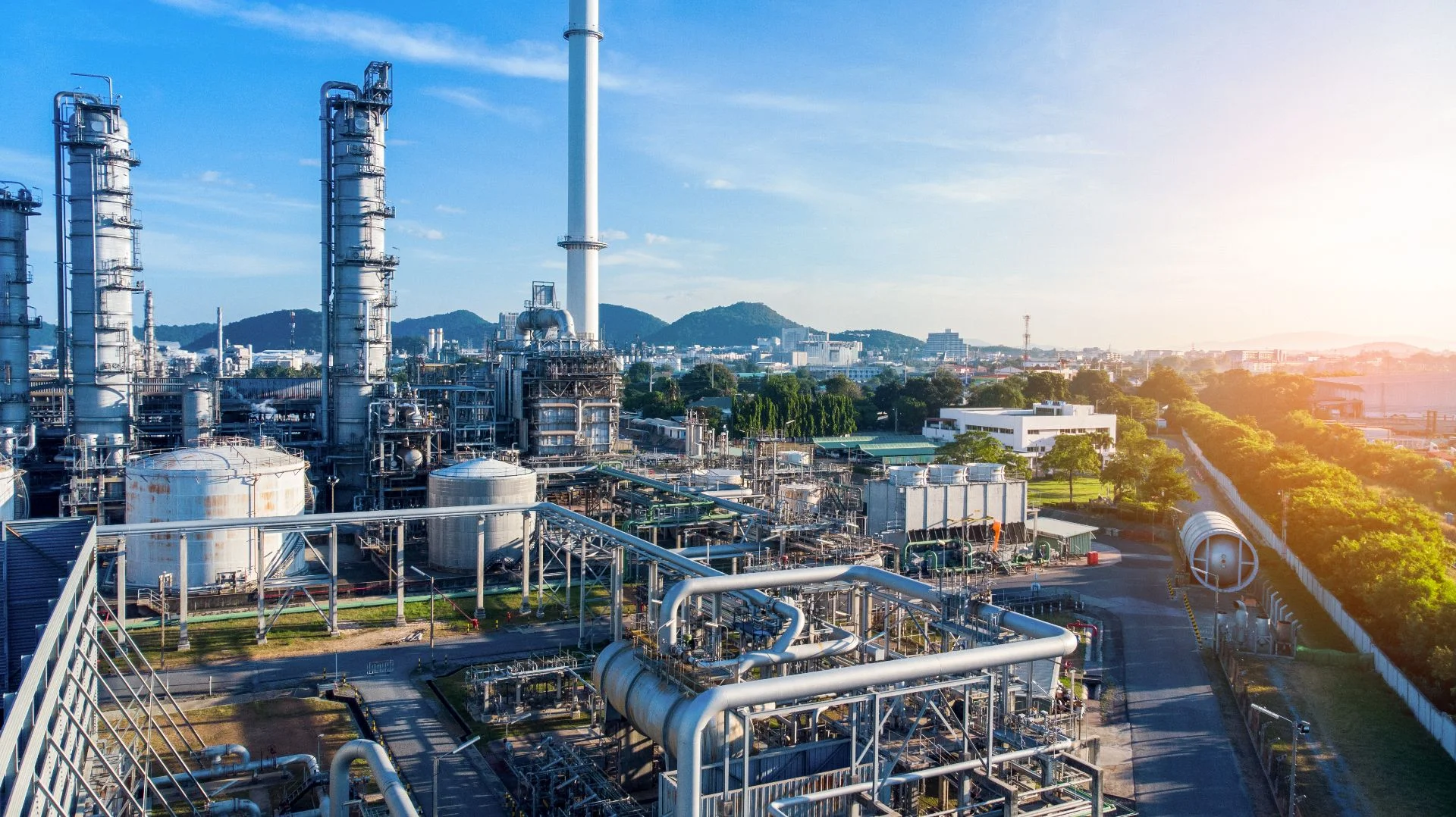
The petrochemical and refinery sector works with highly flammable, explosive and toxic materials in complex environments where safety is a top priority. Plants must comply with extremely strict standards in terms of safety, prevention and environmental protection.
In this environment, any processing residues – such as sludge, oils, fine dust or hydrocarbons – pose a potential risk if not properly managed and treated.
During the refining, cracking, storage and handling of crude oil, waste and volatile substances are generated continuously.
Regular and thorough cleaning of process areas, plants and storage tanks not only preserves production efficiency, but is also essential for preventing fires, explosions and environmental accidents.
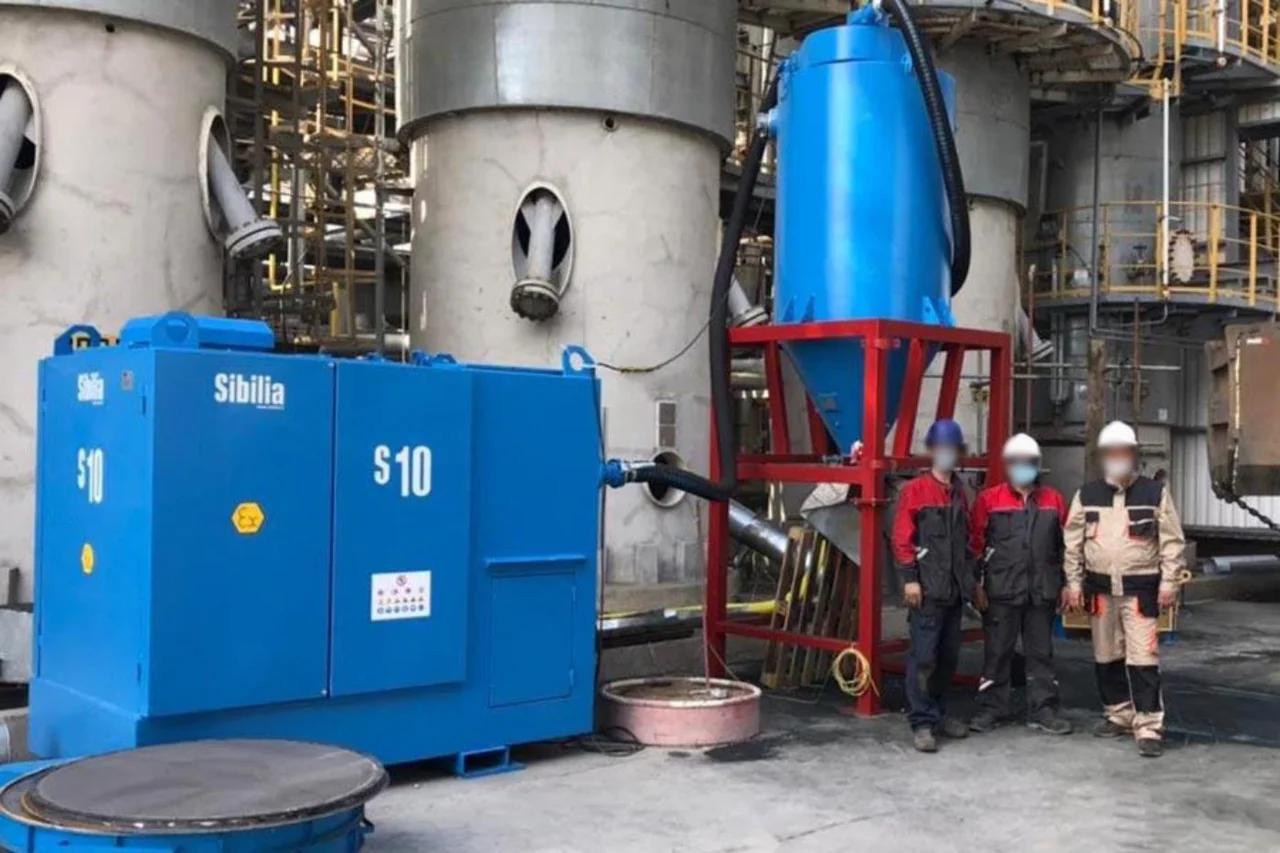
Sibilia industrial vacuum cleaners, designed to operate in critical and high-risk environments, are essential tools for the safe removal of potentially hazardous dust and materials. Thanks to Atex-certified models, it is possible to work in classified areas with the utmost safety, preventing the dispersion of hazardous substances into the air, soil or process water.
Robust, versatile and high-performance, Sibilia vacuum cleaners provide concrete support in plant maintenance, tank cleaning, line remediation and residual material recovery, helping to maintain high operational and environmental standards in the petrochemical sector.
In the hydrocarbon refining process, catalysts play a fundamental role in ensuring process efficiency and quality. Once used, it is essential to remove them safely and effectively.
High-performance industrial vacuum cleaners, equipped with lobe pumps, allow the direct extraction of used catalysts from the reactor and their storage in big bags or certified drums, ensuring high operational safety standards.
In critical operating conditions, such as the presence of pyrophoric catalysts, Sibilia industrial vacuum cleaners operate in controlled environments with an inert atmosphere (nitrogen), eliminating any risk associated with the presence of oxygen and ensuring maximum protection for operators and plants.